
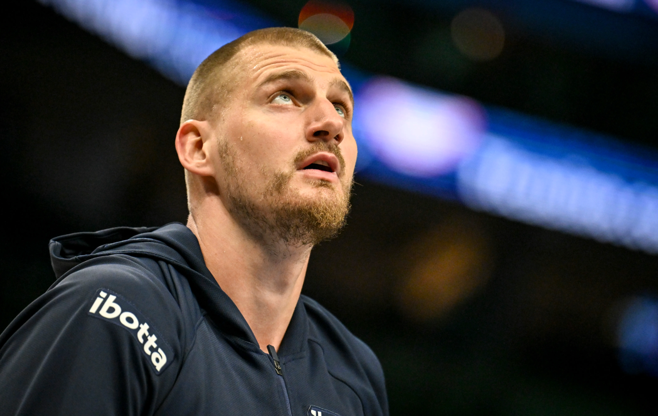
“Enough Is Enough”
Nikola Jokic has spent 11 to 12 years becoming one of the most decorated players in the NBA, and on a recent podcast appearance, he made clear that the fame attached to that run has stopped feeling worth the trade-off. “I miss it so much. I’m getting more and more bothered by popularity,” Jokic said on the Jao Mile Podcast, in comments first reported by BasketNews and confirmed word for word by multiple U.S. outlets.
It wasn’t a single offhand line. Jokic kept going, describing a specific and growing impatience with the parts of stardom that come with being recognized everywhere he goes. “I’m getting ruder to people who approach me. Honestly, it’s tiring,” he said. On the specific act of stopping for photos, he was even more direct: “I don’t take pictures because it’s my time. I’ll sound rude again, but what can I do?”
Eleven Years Is the Whole Point
The most pointed line ties the frustration to a specific timeline, not a bad week. “If people can’t understand me, I understand everything, but it’s been 11-12 years and enough is enough,” Jokic said. That timeframe lines up almost exactly with his own NBA career: Denver drafted him in 2014, and he has spent more than a decade building from a 41st overall pick most casual fans had never heard of into a three-time MVP and NBA champion whose face is recognized well outside basketball circles. The “11-12 years” isn’t a throwaway detail. It’s Jokic marking the distance between the player nobody noticed and the one who can’t walk through an airport without being stopped, and making clear he’s decided that distance has gone on long enough for him to stop performing patience about it.
Rejecting the Role-Model Framing Entirely
Jokic didn’t stop at fatigue with fans. He pushed back on the broader premise that his platform obligates him to be anything for anyone. “I don’t think they should be looking up to me,” he said, before going further: “I don’t think I have that much influence on young people; people tell me, ‘They look up to you.’ Well, they shouldn’t.” That’s a notably blunt rejection of a framing most superstar athletes at least publicly accept, even when they privately resent it. Jokic isn’t saying he dislikes the attention and still trying to be gracious about the responsibility that supposedly comes with it. He’s rejecting the premise that the responsibility exists at all.
This Isn’t a New Theme, Just a Sharper Version of It
None of this is a total surprise to anyone who has followed Jokic closely. He has long been the rare superstar who treats media availability, awards ceremonies and the general theater of NBA stardom as obligations to get through rather than moments to enjoy, famously preferring his horses and his privacy in Serbia to the spotlight his production has earned him. What’s different here isn’t the sentiment. It’s the directness. Jokic has usually let that discomfort show through body language and terse answers rather than naming it outright and putting a number of years on his patience running out. Saying “enough is enough” on a podcast, rather than shrugging through a postgame scrum question about it, is Jokic choosing to state the thing plainly instead of just visibly enduring it.
Why It Matters Heading Into Another Contender Season
There’s no indication any of this affects how Jokic plays or how the Nuggets are built this season; nothing here touches basketball operations, and no team or league response has been reported. But it does matter for how the rest of the league’s biggest stars get covered, because Jokic occupies a strange position in the NBA’s marketing machine: he is simultaneously one of its most valuable products and one of its most reluctant participants in the parts of stardom that aren’t about playing basketball. Denver enters this season again positioned as a legitimate title contender, which means Jokic’s face, highlights and, now, his own words about resenting the fame that comes with all of that will be everywhere regardless of how he feels about it. He’s not asking to be less good. He’s asking, as directly as he ever has, to be left alone when the ball isn’t in his hands, the same competitive stubbornness that had him playing through illness to push Serbia past Italy this summer rather than sit out and protect his own comfort. The willingness to grind through the job has never been the issue. It’s everything that comes attached to it that he’s finally said, out loud, he’s done pretending doesn’t wear on him.