Federal prosecutors have reportedly opened a criminal inquiry into allegations surrounding sponsorship arrangements involving the LA Clippers and Kawhi Leonard. The NBA has completed its separate salary-cap investigation, but reporting about the federal matter does not establish that anyone will be charged or that prosecutors have reached a conclusion.
One case closes, another stays open
On Sept. 14, 2026, the Clippers and Raptors completed the long-delayed trade sending Leonard to Toronto, with owner Steve Ballmer confirming the team had paid its fine and was moving forward after accepting the NBA’s penalties. That trade closing might read like the end of the Kawhi Leonard saga for the Clippers. It is not. Reporting indicates that a separate federal inquiry is examining related conduct. That process is distinct from the discipline available to a private sports league.
What the NBA already found
The league’s own investigation, which concluded Sept. 2, 2026, found that the Clippers organization had circumvented the salary cap in how it structured business arrangements connected to Leonard. The findings cost the Clippers five forfeited first-round draft picks, a $30 million fine, and suspensions for owner Steve Ballmer and two top executives; Leonard himself was fined $700,000 but not suspended. That penalty phase is now closed, the fine has been paid, and the trade it had been holding up is done.
What the federal investigation adds
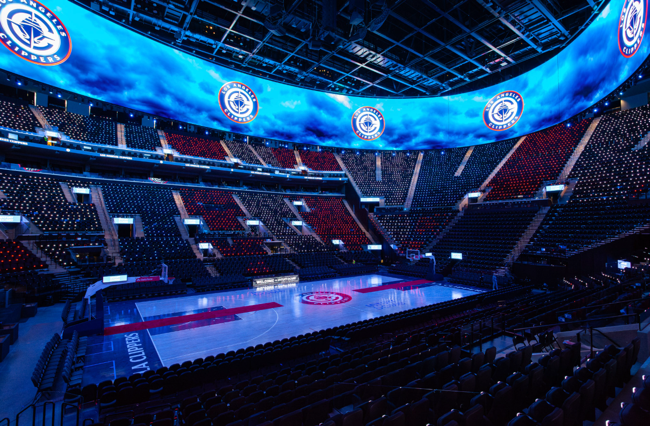
What is not closed is a separate matter. The New York Times first reported on Sept. 10, 2026 that the U.S. Attorney’s Office for the Eastern District of New York has opened a criminal investigation examining whether the Clippers circumvented the salary cap in compensating Leonard. The federal probe reportedly centers on allegations that the team directed a kickback from an Intuit Dome scoreboard contract to Leonard through an endorsement-deal arrangement, and at least one subpoena has already been issued as part of the inquiry.
That detail matters because it means investigators are not simply reviewing the same file the NBA already closed. A federal subpoena is a formal legal process with its own timeline, and its existence signals prosecutors are actively gathering evidence rather than simply monitoring the situation from a distance.
Why the federal exposure is different
The practical distinction between the NBA’s own investigation into the Clippers (https://nbatrending.com/inside-the-nbas-clippers-penalties-what-five-lost-picks-and-a-30-million-fine-mean-going-forward/) and a Department of Justice inquiry comes down to authority. Federal prosecutors can compel evidence and testimony well beyond what a private sports league can obtain on its own, and failing to cooperate with a federal investigation can carry criminal consequences that go far past a lost draft pick or a suspension. The NBA’s penalties were the league policing its own rules. A DOJ investigation is the government examining whether any of that conduct broke federal law, a question the NBA’s own findings never had the authority to answer either way.
That does not mean charges are coming, or that they are not. It means the standard the Clippers now face is a different one, decided by prosecutors rather than a commissioner’s office, on a timeline nobody outside that investigation controls.
What hasn’t been confirmed
No one directly involved has said much publicly. A spokesperson for the U.S. Attorney’s Office did not respond to a request for comment, and neither the Clippers nor the NBA has issued an on-record statement specifically addressing the federal investigation, as opposed to the league’s own since-concluded case. Nothing reported so far indicates whether charges will ultimately be filed against the organization, any individual, or no one at all.
How we think the story will turn out
For now, the Clippers move into the 2026-27 season with the Leonard trade behind them and a rebuilt roster ahead of them, while a federal investigation into the exact conduct that triggered all of it keeps running in the background. The trade being done does not make the legal question go away. It just means the two tracks, basketball and federal law, are no longer tied to the same calendar.